If blockbuster heist movies like Ocean’s Eleven were set in 2025, the crew wouldn’t be cracking safes—they’d be exploiting poorly audited smart contracts. The stakes are no less thrilling: one vulnerable piece of smart contract code can open the vault to millions, as history has proven with incidents like the infamous DAO hack or the bZx exploit. Yet, the real mystery for many isn’t how these hacks happen—it’s why stopping them costs so much.
Smart contracts are the unsung heroes of DeFi and dApps, silently automating everything from financial transactions to voting systems. But writing and securing these contracts isn’t just a case of “plug and play.” It’s more like designing the code equivalent of a Formula 1 car—every line must perform perfectly under pressure, because even a small flaw can mean a catastrophic crash.
Why, then, does a smart contract audit often cost more than the code itself? Is it just about paying for expertise, or is there more beneath the surface? In this article, we’ll dissect the reasons behind the hefty price tag, break down the audit process, and offer tips for optimizing costs without compromising security.
Why Is a Smart Contract Audit Necessary?
Smart contracts are like vending machines for blockchain: you input a command (or cryptocurrency), and they execute pre-programmed actions without human interference. But what happens when someone finds a way to shake the vending machine and grab all the candy? That’s the nightmare scenario a smart contract audit is designed to prevent.
While the concept of smart contracts is revolutionary, the reality is that they are only as reliable as the code behind them. And let’s face it—coding for blockchain is not the same as whipping up a basic mobile app. In Solidity, Ethereum’s primary programming language, even a single overlooked vulnerability can have catastrophic consequences. The infamous Parity Wallet bug wiped out $30 million in 2017, simply because a developer missed an edge case in their contract design.
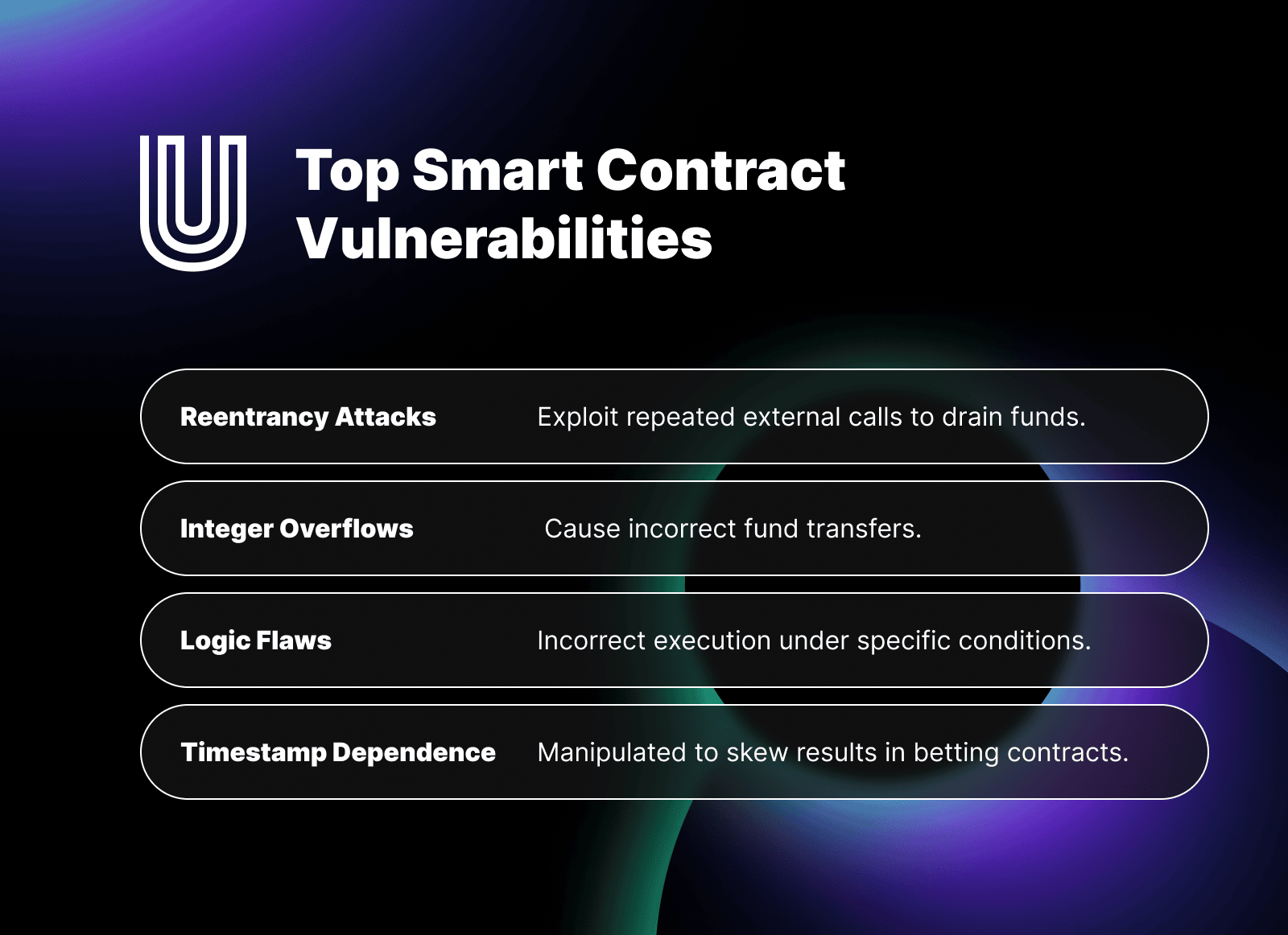
An audit serves as a meticulous safety check, ensuring the contract behaves as intended under all conditions. Without one, smart contracts remain vulnerable to an arsenal of attacks:
• Reentrancy exploits: Repeatedly draining funds by manipulating external calls (remember the DAO attack?).
• Timestamp dependence: Manipulating blockchain timestamps to win bets or skew results.
• Integer overflows: Exploiting unchecked mathematical operations to siphon funds.
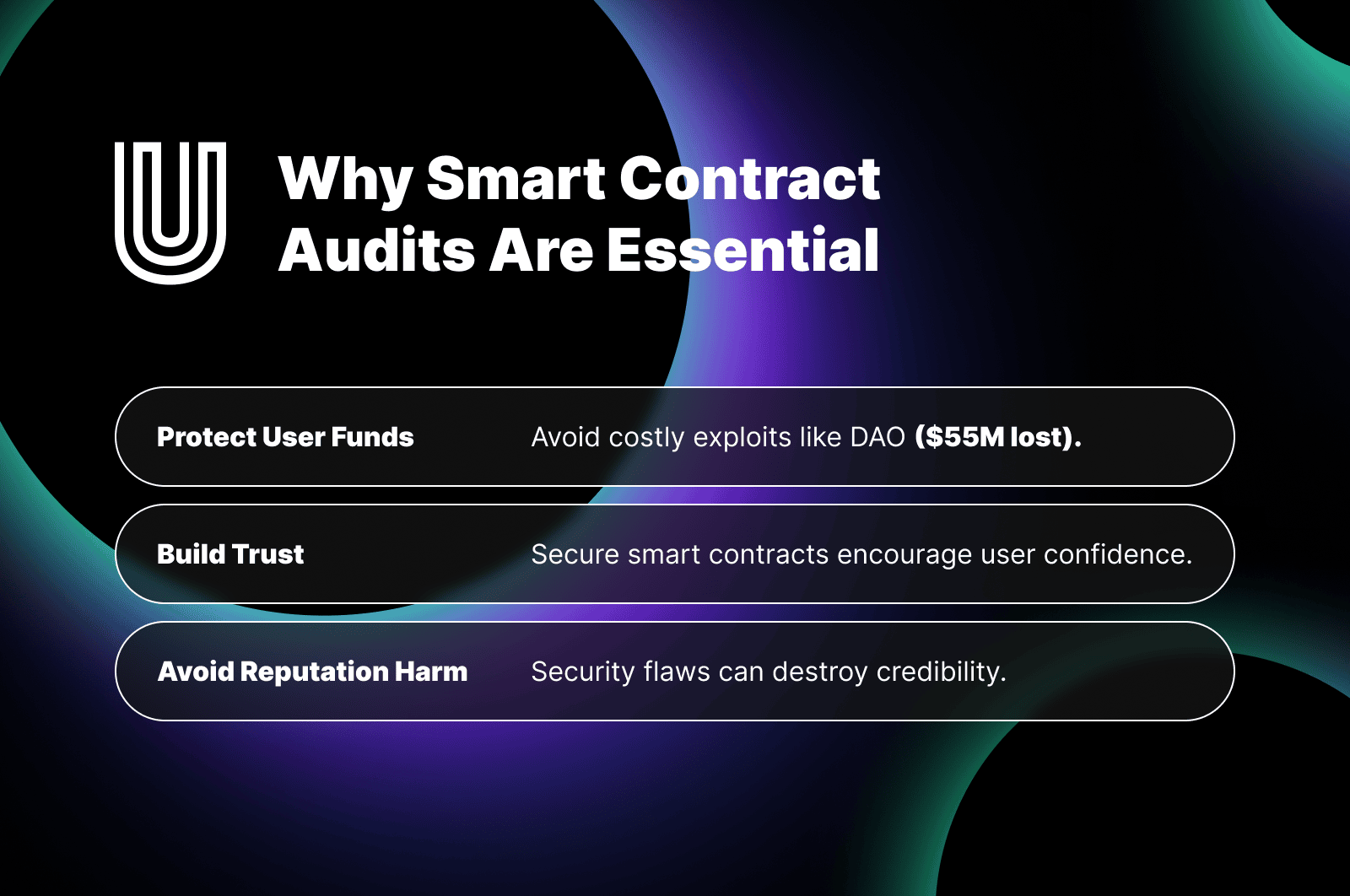
Audits not only identify and address these vulnerabilities but also build trust among users and investors. After all, no one wants to deposit their funds into a dApp that hasn’t been thoroughly vetted.
For teams preparing for an audit, a little prep work can go a long way in saving time and money. Check out Ulam Labs’ Smart Contract Checklist for a comprehensive guide to getting your code audit-ready. By addressing obvious flaws upfront, you’ll give auditors a head start—and yourself a financial edge.
What Factors Influence Smart Contract Audit Costs?
The price of a smart contract security audit is influenced by a blend of technical, procedural, and market factors. Audits aren’t one-size-fits-all—they’re tailored to the specific needs of the project, its complexity, and its risks. Let’s dive deeper into the primary drivers behind the cost.
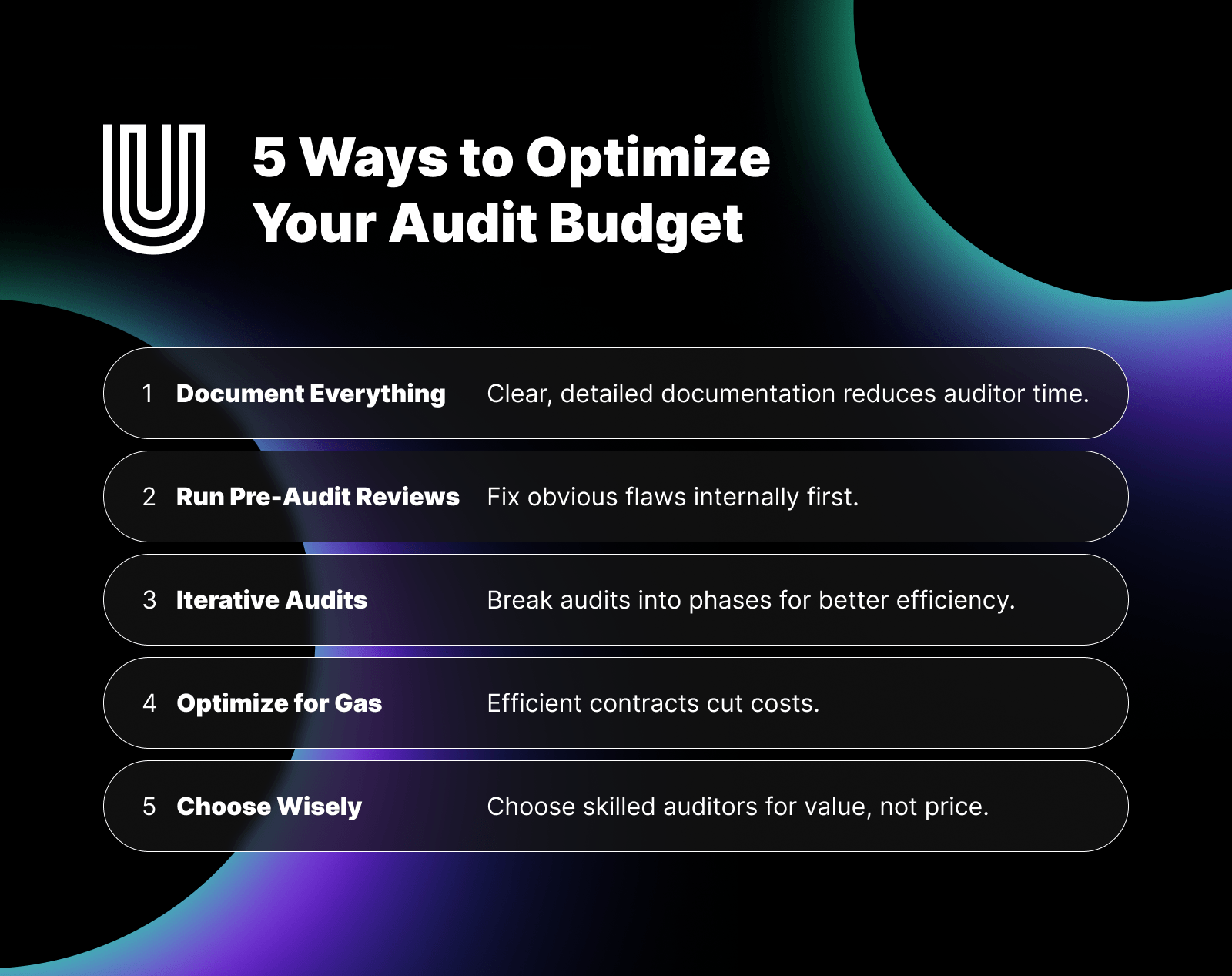
Code Complexity and Size
Not all smart contracts are created equal. A simple ERC-20 token, which handles basic functions like minting and transferring tokens, may have a few hundred lines of code. In contrast, a DeFi protocol might span tens of thousands of lines and include intricate tokenomics, governance mechanisms, and integrations with external systems.
Here’s a quick comparison:
• Basic Contracts (ERC-20): $10,000–$20,000. Minimal logic makes these contracts straightforward to audit.
• Mid-Tier Projects (dApps or NFT Marketplaces): $20,000–$50,000. These require analysis of multiple interconnected components.
• Complex Protocols (Cross-Chain Systems): $75,000–$150,000+. Advanced projects demand in-depth analysis and testing of both the smart contract code and its interactions.
Every additional feature increases the chances of bugs or vulnerabilities. Auditors spend more time testing larger contracts, making complexity one of the most significant cost drivers.
Manual vs. Automated Reviews
Auditing often combines manual and automated approaches, but the balance between the two depends on the project’s complexity.
• Automated Tools: Tools like MythX, Slither, and Echidna provide a first pass by identifying common vulnerabilities such as reentrancy attacks or integer overflows. These tools are fast and cost-efficient but can miss nuanced logic errors.
• Manual Code Analysis: This involves auditors meticulously reviewing the code line by line, identifying errors that tools often overlook. For example, a logic flaw that only manifests under specific conditions would require human judgment to uncover.
Manual audits take significantly more time and expertise, contributing to higher costs but providing unparalleled accuracy.
Expertise of Smart Contract Service Providers
Top-tier smart contract service providers, such as ConsenSys Diligence or Trail of Bits, command premium rates. Why? They employ veteran smart contract auditors with extensive experience in blockchain technology. These professionals understand not only the nuances of languages like Solidity but also the techniques attackers use to exploit them.
While smaller firms or freelancers might offer cheaper audits, they often lack the infrastructure and experience to conduct comprehensive reviews. When millions of dollars in digital assets are at stake, cutting corners with less-experienced providers can be a costly mistake.
Blockchain Platform
The blockchain your project uses also impacts the audit cost. Ethereum-based audits are typically more expensive due to Solidity’s inherent complexity. By comparison:
• Algorand: Audits are less costly due to its simplified smart contract framework and reduced risk of common vulnerabilities.
• Binance Smart Chain (BSC): Costs can vary but tend to align with Ethereum due to its similar architecture.
Ethereum remains the most audited blockchain, particularly for decentralized applications, which dominate its ecosystem. However, teams developing on alternative blockchains often find audits more affordable, albeit with fewer experienced auditors available.
Understanding these factors can help you anticipate your audit budget and evaluate quotes from different smart contract service providers.
How Much Does a Smart Contract Audit Cost?
When it comes to the cost of a smart contract audit, the numbers can range significantly based on factors like complexity, project size, and the auditor’s reputation. While the price might seem steep, these audits are critical for ensuring your smart contract’s security, especially in high-stakes ecosystems like DeFi or NFT marketplaces.
Cost Ranges by Project Type
Based on industry insights and publicly available data from auditing companies like ConsenSys Diligence, Trail of Bits, and others, here’s a general breakdown of audit costs:
• Basic ERC-20 Token Contracts: $10,000–$20,000
These contracts are straightforward, with minimal logic, making the audit process relatively quick and affordable.
• Medium Complexity dApps: $20,000–$50,000
DeFi protocols, lending platforms, or governance mechanisms that require deeper scrutiny of contract code and unit test cases.
• Advanced Protocols and Ecosystems: $75,000–$150,000+
Projects with intricate tokenomics, cross-chain functionality, or large, complex codebases. These audits involve manual code analysis, making them time-intensive and resource-heavy.
(Source: H-X Technology, Timacum)
Why the Price Tag?
Several factors influence the final audit price:
• Complexity: The larger and more intricate the code, the more effort is required to identify potential vulnerabilities.
• Audit Method: Manual reviews, though more expensive, provide a higher level of accuracy compared to automated tools like MythX or Slither.
• Expertise: Premium firms with experienced smart contract auditors command higher fees, but they also minimize risks of oversight.
• Blockchain Platform: Audits for Ethereum-based contracts tend to cost more due to Solidity’s complexity, while simpler blockchains like Algorand can be cheaper to audit.
The Cost of Not Auditing
If the upfront price of an audit feels high, consider the potential cost of skipping it. Here are some cautionary tales:
• DAO Hack (2016): $55 million lost due to a reentrancy exploit, leading to an Ethereum hard fork.
• Lendf.me (2020): A reentrancy attack drained $25 million from the DeFi platform.
• Parity Wallet Bug (2017): A simple oversight resulted in $30 million in losses.
In each case, proper audits could have prevented massive financial and reputational damage.
Investing in an audit is more than a cost—it’s a safeguard against disaster. If you’re ready to protect your project and users, ensure you choose the right audit partner.
How Long Does a Smart Contract Audit Take?
The duration of a smart contract audit often depends on the complexity of the code, the scope of the project, and the methodology used. Unlike other tech processes, where speed might trump precision, audits are all about the details. A rushed job could leave critical vulnerabilities undetected—something no blockchain project can afford.
Typical Timelines
Here’s a general breakdown of how long audits might take:
• Basic ERC-20 Tokens: 3–5 days
These contracts have simple logic and standardized implementations, which makes the audit process quick and straightforward.
• Medium Complexity dApps: 1–2 weeks
Projects like DeFi lending platforms or governance protocols require more extensive testing, including simulations of potential attack scenarios.
• Advanced Protocols: 3–4 weeks (or longer)
Complex ecosystems with custom tokenomics, multiple integrations, and a large codebase demand detailed manual code analysis and several iterations.
What Affects Audit Duration?
1. Code Quality and Documentation:
Well-structured and documented code speeds up the process. Conversely, messy or incomplete documentation can slow auditors down as they try to decipher the contract’s intent.
2. Interim vs. Full Audits:
Some teams request interim audits during the development phase, while others wait until the release candidate is ready. While interim audits can uncover issues early, they extend the overall timeline.
3. Manual vs. Automated Analysis:
• Automated tools like Slither and MythX quickly scan for common security vulnerabilities, cutting down initial review time.
• Manual reviews, however, are more thorough, especially for detecting complex logic flaws or vulnerabilities unique to your project.
4. Project Communication:
Slow responses from development teams during the audit—e.g., when clarifications or fixes are needed—can stretch timelines unnecessarily.
Why Time Matters
Rushing an audit is a recipe for disaster. A thorough process ensures vulnerabilities are identified, fixed, and retested, providing confidence to your users and investors. However, transparency about timelines is crucial—be wary of firms that promise fast results for complex projects.
By understanding how long audits take and what influences their timelines, you’ll be better prepared to plan your project roadmap.
Tips to Optimize Smart Contract Audit Costs
Smart contract audits may feel like a necessary evil—a significant expense that can’t be avoided. But with the right approach, you can optimize the process, reduce costs, and ensure that your blockchain project is secure without breaking the bank. Here’s how to make the most of your audit budget.
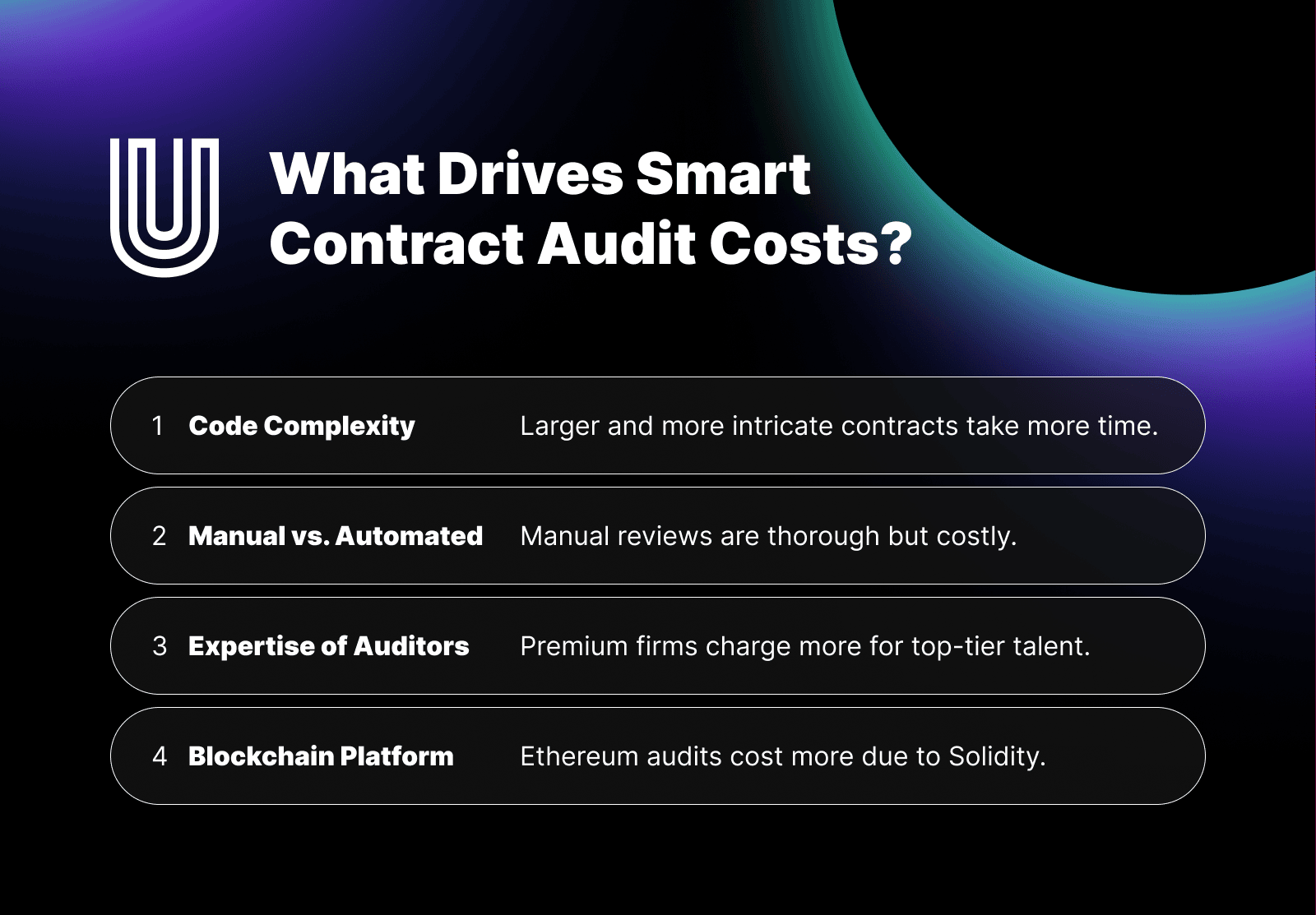
Prepare Thorough Documentation
Before an auditor even looks at your contract code, make sure they have everything they need to understand it. This includes:
• Clear explanations of the contract’s purpose and functionality.
• Comprehensive documentation for any custom features.
• A detailed test suite, including unit test cases, to show how the contract is expected to behave.
Auditors spend less time deciphering poorly documented code, which translates to faster audits and lower costs. Need guidance? Use our Web3 Security Checklist to ensure your project is audit-ready. A little preparation can save both time and money.
Conduct Pre-Audit Reviews
An internal code review before engaging auditors can eliminate obvious issues and reduce the number of vulnerabilities they need to fix. This step:
• Highlights low-hanging fruit like syntax errors or basic code flaws.
• Allows developers to refine the contract logic, improving audit efficiency.
This approach not only reduces costs but also increases confidence in your team’s readiness for a professional review.
Choose the Right Audit Partner
Not all auditing companies are created equal. Selecting the right partner can have a significant impact on cost and quality. Look for firms that:
• Specialize in your blockchain platform (e.g., Ethereum, Algorand, Binance Smart Chain).
• Offer a clear breakdown of their audit process, including manual and automated analysis.
• Have a strong track record and credible references.
Remember, the goal isn’t to find the cheapest option but the one that offers the best value for your specific needs.
Focus on Iterative Development
Rather than waiting until the entire project is complete, consider breaking your audits into phases. For example:
• Perform an interim audit after core features are developed.
• Conduct a final audit closer to the deployment phase.
This iterative approach spreads out costs and minimizes last-minute surprises.
Gas Optimization
Gas fees can significantly impact the cost of deploying smart contracts. Auditors can help optimize your contract to reduce gas usage, but addressing this during development can save time during the audit. Tools like Solidity Gas Reporter can help identify inefficiencies before auditors even begin.
Securing the Future of Smart Contracts
Smart contracts are the backbone of blockchain innovation, but their potential can only be fully realized when they are secure. The cost of a thorough smart contract audit might seem high, but it’s a fraction of the price compared to the losses from a critical exploit or a damaged reputation.
As the blockchain space continues to evolve, the importance of robust security practices will only grow. Working with experienced auditors, embracing transparent development practices, and investing in quality code from the start aren’t just good strategies—they’re essential for long-term success.
In the end, a well-audited smart contract is more than just secure code. It’s a signal of trust, a foundation for user confidence, and a step toward building resilient blockchain ecosystems.
Frequently asked questions
How Much Does a Smart Contract Security Audit Cost?
The cost of a smart contract security audit depends on the complexity and size of your project. Basic contracts, like ERC-20 tokens, typically cost $10,000–$20,000. More complex projects, such as DeFi protocols or dApps, range from $20,000 to $50,000, while advanced ecosystems with custom tokenomics can exceed $75,000. Investing in an audit prevents costly vulnerabilities and ensures your project is secure and trustworthy.
What Does a Smart Contract Audit Include?
A smart contract audit involves a detailed review of the smart contract code to identify vulnerabilities and logic flaws. The process includes automated scans for common issues, manual code analysis for deeper insights, and testing in simulated environments to assess real-world security. The result is a comprehensive report detailing potential risks and recommendations for fixes to secure your blockchain project.
Why Is a Smart Contract Audit Important for Decentralized Applications?
For decentralized applications (dApps), smart contract security is critical. Vulnerabilities can lead to exploits, resulting in significant financial losses and reputational damage. A professional audit identifies potential vulnerabilities before deployment, ensuring your dApp operates securely, maintains user trust, and avoids costly incidents that could undermine its success.