In today's fast-paced software development, "shift left" testing highlights the importance of starting testing early and doing it often to maintain software quality. By integrating testing at the beginning and throughout the development cycle, this approach helps catch bugs sooner, saving time and resources.
Origins of Shift Left Testing
The idea of shift left testing started in the early 2000s, thanks to Larry Smith, an expert in software testing. He introduced the term to highlight the importance of testing early in the development process. This approach focuses on catching and fixing problems early, which helps avoid expensive errors later in the software development life cycle (SDLC).
Something more about SDLC
The Software Development Life Cycle (SDLC) outlines the steps for designing, building, testing, and deploying software applications. It's a systematic approach aimed at making software projects organized, efficient, and able to produce quality outcomes.
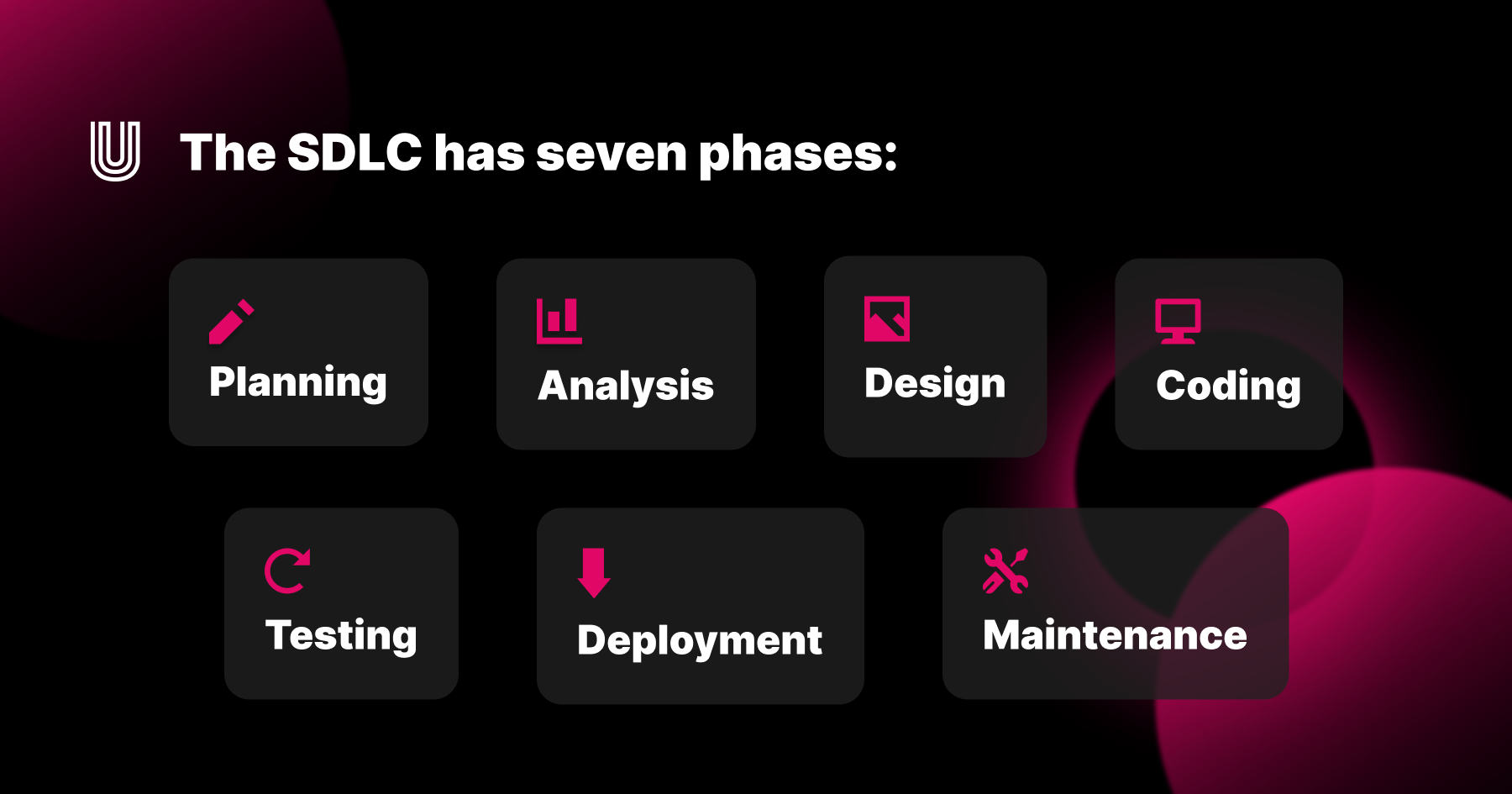
The SDLC has seven phases:
- Planning
- Analysis
- Design
- Implementation (Coding)
- Testing
- Deployment
- Maintenance
In the traditional SDLC, testing is the fifth step. However, with the shift left approach, the goal is to begin testing earlier in the project.
Why Shift Left Testing Matters
Adopting shift left testing in projects brings several advantages:
- Early Bug Detection: By testing early, you can find and fix defects sooner, which helps avoid issues later in the development process.
- Cost and Time Savings: Identifying bugs early means less rework, cutting costs, and speeding up the release of software.
- Better Developer Engagement: Involving developers in early testing promotes a focus on quality and ongoing improvement.
- Use of Automation: Shift left testing often uses automation to allow for regular testing and easy integration into the continuous integration/continuous deployment (CI/CD) pipeline.
- Higher Software Quality: Early testing helps ensure that software is of higher quality by preventing bugs from making it to the final product.
Implementing Shift Left Testing
Shift left testing goes beyond just moving tester activities earlier. It's about recognizing that quality is everyone's responsibility on the team. Here's how to implement shift left testing effectively:
- Empower Developers: Provide developers with the necessary tools, training, and authority to test efficiently.
- Integrate Testing Early: Make testing a part of the development process from the start for continuous assessment.
- Use Automated Testing: Apply automated testing to handle repetitive tasks and boost testing efficiency.
- Build a Quality Culture: Cultivate an environment where quality is paramount, and everyone is committed to maintaining code quality.
Shift left testing has become a key element in modern software development, changing how we ensure and deliver software quality. By starting testing earlier, companies can enjoy benefits like catching defects sooner, saving costs, speeding up market launch, enhancing developer participation, and improving the overall quality of software. As the industry evolves, the principles of shift left testing will continue to be vital for creating strong, dependable, and high-quality software solutions.
\
References:
1. SmartBear: What is Shifting Left Testing?
3. BrowserStack: Shift Left Testing: Approach, Strategy & Benefits
4. Wikipedia: Shift-left testing
5. Testim.io: What Is Shift Left Testing? A Guide to Improving Your QA
Frequently asked questions
What is shift left testing?
Shift left testing is a practice in software development where testing is conducted earlier in the software development life cycle (SDLC). Instead of testing being a final step, it's integrated from the beginning and throughout the process. This approach emphasizes early detection of defects, and continuous testing, and involves everyone in the project in ensuring quality.
Why does DevOps recommend shift left testing principles?
DevOps recommends shift left testing because it aligns with the goals of continuous integration and continuous delivery (CI/CD). By integrating testing early and often, DevOps teams can catch and fix bugs faster, reduce time to market, enhance collaboration between developers and testers, and improve the overall quality of the software. This method helps to streamline workflows, reduce bottlenecks in the release process, and foster a culture of quality and efficiency.
How does shift left testing impact software quality and project timelines?
Shift left testing significantly improves software quality by catching defects early in the development process, which can otherwise be costly and time-consuming to fix later on. This proactive approach to testing reduces the number of bugs that make it to production, leading to a more reliable and robust final product. Additionally, by identifying and addressing issues early, project timelines are often shortened as less time is spent on rework and fixing problems discovered late in the cycle. This efficiency contributes to faster time to market and better allocation of resources throughout the development process.