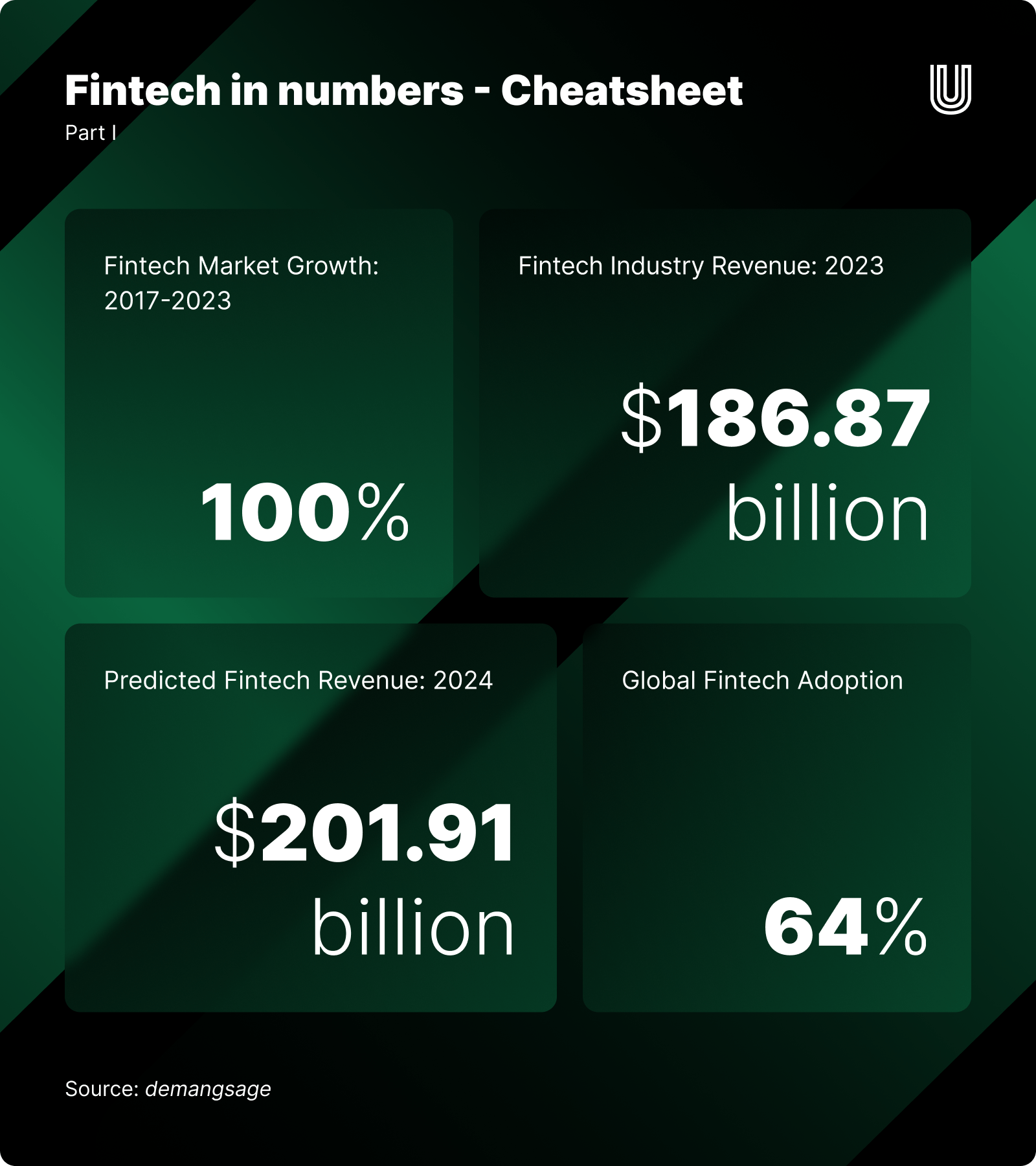
As the fintech industry's market size has almost doubled from 2017 to 2023, small and medium enterprises (SMEs) are increasingly harnessing digital technologies to stay competitive. This growth not only demonstrates fintech’s rapid expansion but also underscores the increasing reliance of businesses on these technologies to streamline operations and open up new avenues for growth and efficiency.
Today, advanced technologies such as mobile payments, cloud services, artificial intelligence, machine learning, and blockchain are not merely optional; they are crucial. These technologies enable SMEs to adopt innovative business models and improve their operations and customer interactions. Fintech business models like crowdfunding and peer-to-peer (P2P) lending have emerged as particularly beneficial, providing essential alternatives to traditional financing and breaking down the barriers erected by conventional banks.
However, the transition isn't without its challenges. While fintech offers numerous benefits, the adoption rate and its overall impact on SME operations call for more in-depth analysis. Issues such as the digital divide, the need for more customized fintech solutions for SMEs, and the necessity for businesses to continuously adapt to new technologies are areas that demand further exploration and understanding.
Streamlining Financial Operations
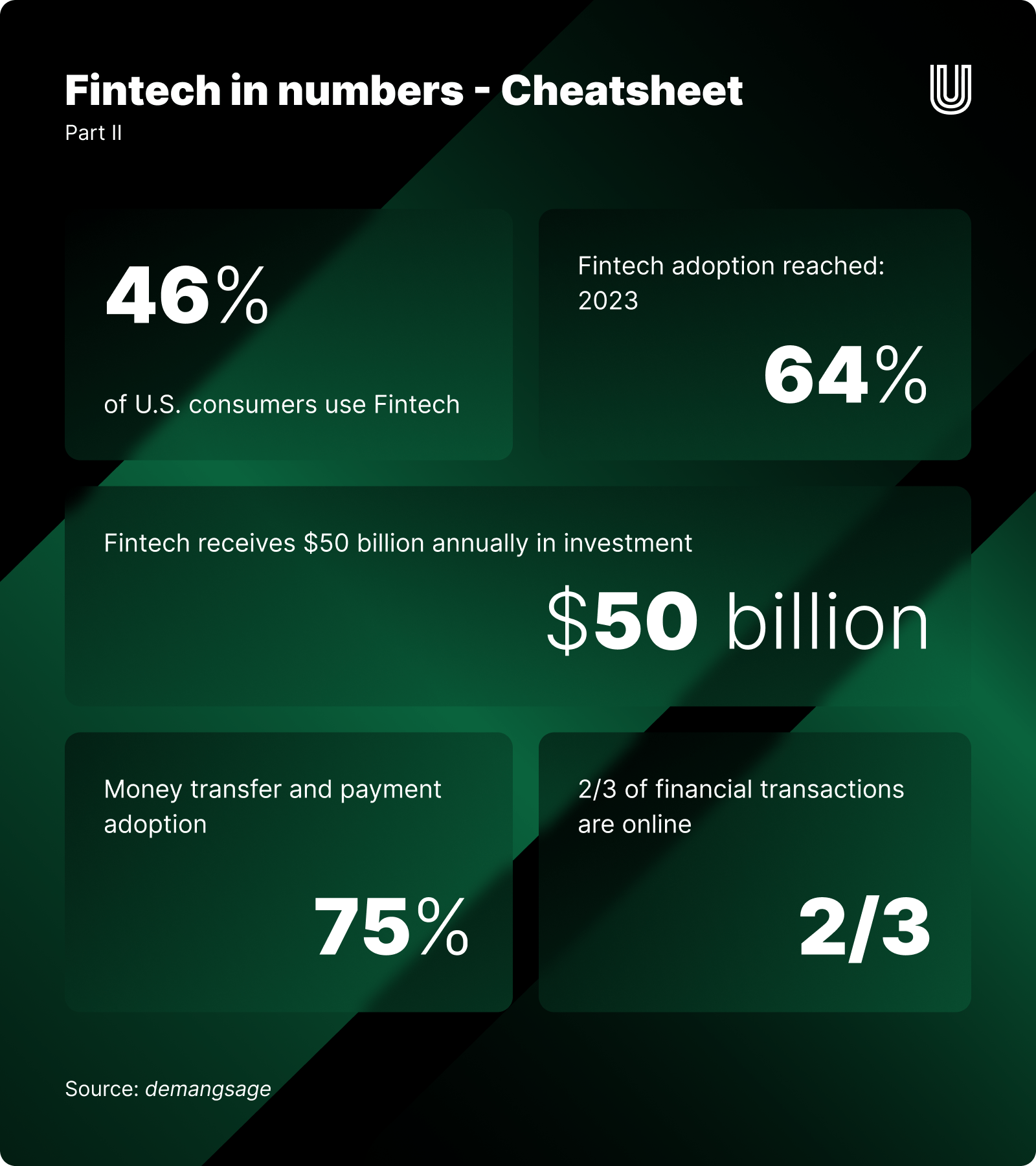
Fintech significantly enhances payment processing for small businesses, reducing operational costs and increasing transactional speed. With a global adoption rate of 75% for money transfer and payment services, mobile payment apps and online gateways streamline transactions across markets, often reducing costs. For example, fintech applications can lower transaction fees and accelerate fund clearance, crucially boosting cash flow efficiency.
Additionally, the automation of bookkeeping and accounting through fintech offers substantial advantages. Cloud-based platforms provide real-time financial tracking, allowing small businesses to access current financial information without the delays typical of traditional systems. This immediacy enables businesses to respond swiftly to financial insights, fostering more strategic decision-making and maintaining accurate records with reduced effort and fewer errors. These technologies not only simplify financial management but also pave the way for enhanced regulatory compliance and financial analysis. With two-thirds of financial transactions now processed online, fintech’s role in optimizing financial operations is more vital than ever.
Enhancing Access to Capital
Fintech platforms revolutionize small business financing by making capital more accessible and better suited to the unique challenges of smaller enterprises. With the fintech sector attracting nearly $50 billion in investment annually, peer-to-peer lending, online loans, and crowdfunding platforms have become viable alternatives to traditional bank loans. These options offer faster approval processes and less stringent requirements, providing a lifeline to small businesses.
By leveraging digital technology and innovative algorithms that consider a broader range of data—including transaction history and online behavior—fintech solutions can assess creditworthiness more inclusively. This capability allows them to extend financial support to businesses with shorter credit histories or smaller scales, which often face challenges securing funding through conventional means. Consequently, small businesses enjoy enhanced access to capital, empowering them to seize growth opportunities more aggressively and with greater financial agility, backed by a global fintech adoption rate of 64%.
Cost Reduction and Efficiency
Fintech drives cost reductions for small businesses by automating routine tasks and offering lower transaction fees than traditional financial services. Automated systems drastically reduce the manpower needed for operations such as invoicing and payroll, which not only saves on labor costs but also enhances both accuracy and speed. The fintech sector’s substantial annual investment of nearly $50 billion underscores its capacity to develop solutions that frequently result in reduced transaction fees, contributing to significant savings over time. These efficiencies enable small businesses to allocate resources more effectively and invest in areas crucial for growth, thereby boosting overall profitability.
Improving Customer Experiences
Fintech enhances customer experiences by providing seamless payment solutions and personalized services, powered by AI-driven technologies. These innovations facilitate quick and easy transactions, reducing friction and improving convenience for customers. Furthermore, fintech tools can tailor services to individual needs, using data analytics to offer personalized financial advice or product recommendations.
This level of customization significantly boosts customer satisfaction, fostering loyalty and encouraging repeat business. The integration of these smart technologies into customer interactions not only elevates the user experience but also positions small businesses as modern and customer-focused in the competitive market.
Boosting Security and Compliance
Fintech equips small businesses with advanced security measures crucial for protecting against fraud and cyber threats. These platforms incorporate sophisticated encryption technologies, multi-factor authentication, and continuous monitoring systems to safeguard sensitive customer data and financial transactions. This enhanced security is vital for small businesses, as data breaches can result in significant financial losses and damage to customer trust. By using fintech solutions, businesses not only comply with stringent data protection regulations but also demonstrate a commitment to customer security, reinforcing their credibility in a marketplace where trust is paramount.
Overcoming Challenges
Adopting fintech solutions can pose challenges for small businesses, such as limited resources and integration complexities. However, these hurdles can be overcome by starting with scalable solutions tailored to current needs and budgets. Additionally, many fintech providers offer support and training to ensure smooth integration and maximize the benefits of their tools. Partnering with the right fintech company can also provide ongoing assistance to adapt and evolve these technologies as your business grows.
What’s next?
Fintech offers remarkable opportunities for small businesses to streamline operations, enhance customer experiences, and secure financial activities. By embracing these technologies, small enterprises can significantly boost their efficiency, improve access to essential resources, and sharpen their competitive edge in the market. Fintech is not just a tool but a strategic asset in the digital age.
Are you ready to harness the power of fintech for your business? Explore our range of fintech solutions designed to elevate your operations and drive growth. Contact our team today for a personalized consultation and find out how we can help you achieve your business objectives with cutting-edge technology.
Frequently asked questions
What are the key benefits of fintech for small businesses?
Fintech offers several key advantages for small businesses, including improved access to financing through models like crowdfunding and peer-to-peer lending, enhanced operational efficiencies through automation of tasks such as invoicing and payroll, and superior customer experiences enabled by advanced digital payment systems and personalized services. These technologies help small businesses reduce costs, streamline operations, and improve customer satisfaction.
How does fintech improve access to capital for small businesses?
Fintech improves access to capital by providing small businesses with alternative funding sources outside of traditional banking systems. Through digital platforms like peer-to-peer lending and crowdfunding, small businesses can access a wider range of investors and lenders. These platforms use advanced algorithms to assess creditworthiness, often considering broader data sets, which can include transaction history and online behavior, making it easier for businesses with limited credit histories to secure funding.
What challenges do small businesses face when adopting fintech solutions?
While adopting fintech solutions offers numerous benefits, small businesses may face several challenges, including the digital divide, integration complexities with existing systems, and the need for continual learning and adaptation to new technologies. Additionally, finding fintech solutions that are tailored to the specific needs of small businesses can be difficult, requiring careful selection and sometimes significant adjustment to ensure compatibility and maximum benefit from these technologies.